Fast Charging in 2026: Is 240 W Already the Standard?

The growing demand for power in smartphones, laptops, and other mobile devices is clearly transforming the segment of network chargers.

The standardization of USB-C in consumer electronics means that a single type of connector now supports both smartphones and portable computers, increasing the requirements for output power and power supply stability.

Table of Contents

Fast Charging and the Growing Power of 240 W

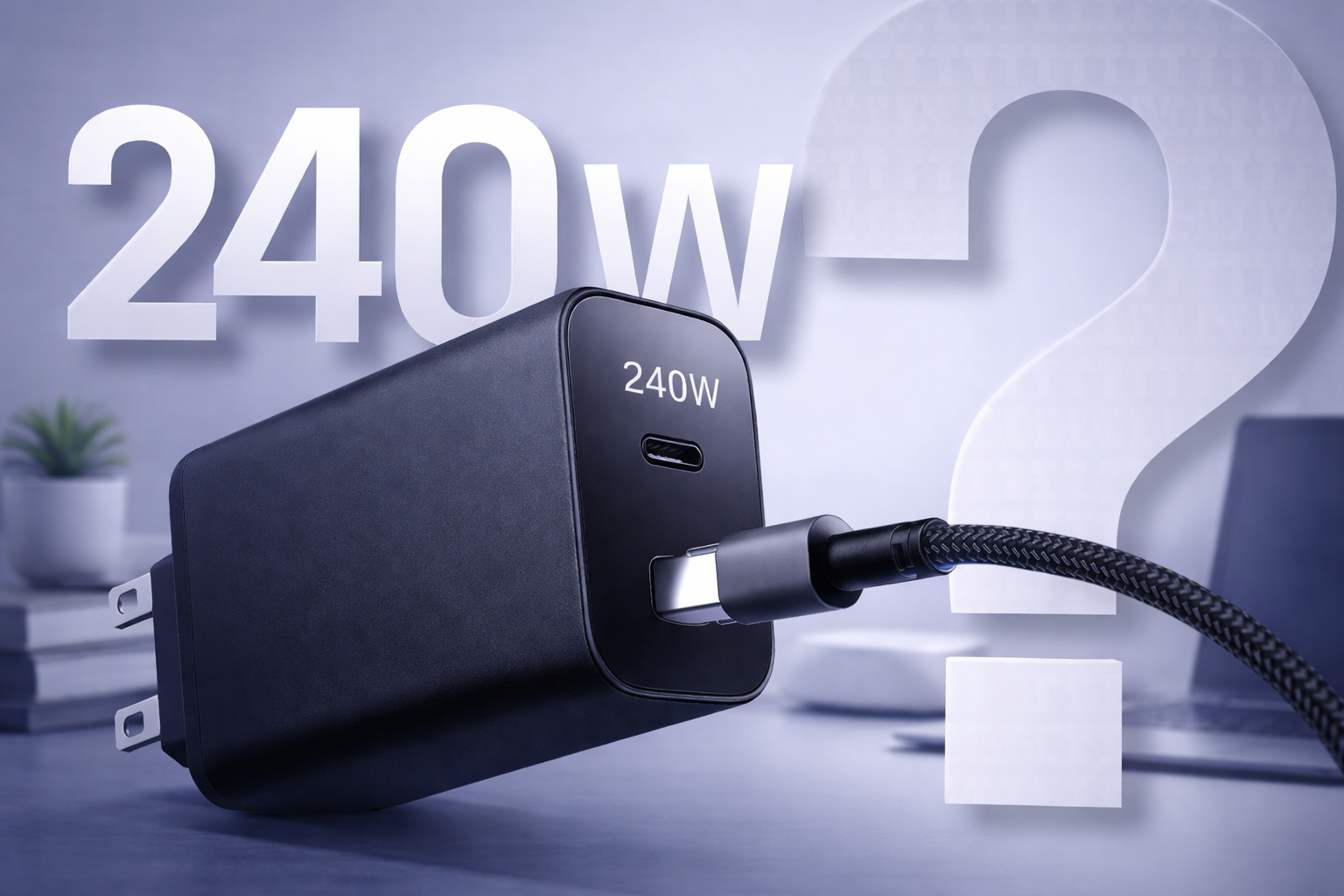
Fast charging in 2026 has entered a completely new stage of development. 240 W power is appearing more and more frequently in specifications, and thanks to the USB Power Delivery 3.1 (PD 3.1) standard it can be safely delivered through the USB-C connector. In practice, this means that a 240 W charger based on GaN technology is no longer just a showcase of manufacturers’ capabilities, but a real solution for charging laptops, workstations, and other devices requiring high output power.

However, one question remains: will 240 W become a market standard, or will it continue to be reserved for the most demanding applications?

GaN Technology in Chargers Above 100 W

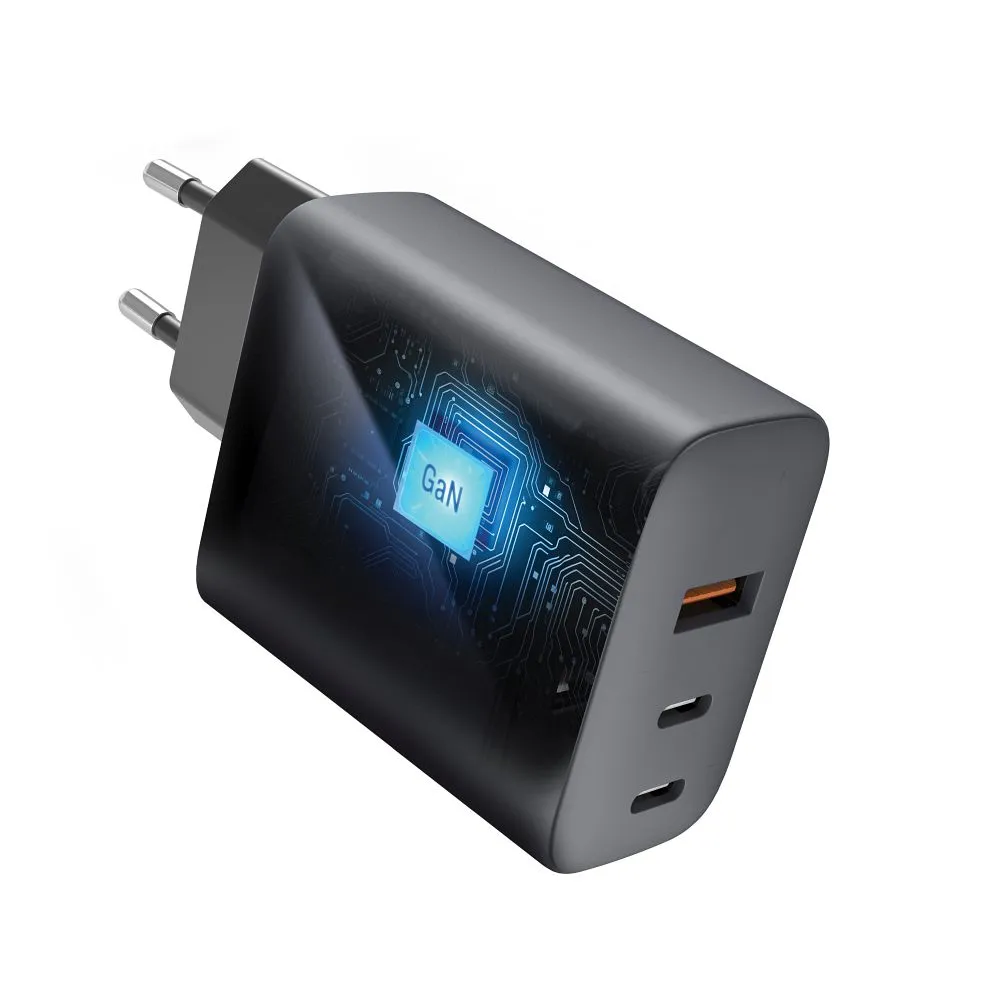
GaN technology plays a key role in the development of the charger segment with power above 100 W. The use of gallium nitride in charger power circuits increases energy efficiency and improves temperature control when operating at high power.

A 240 W GaN charger is an example of how the electronics of network chargers have undergone a major transformation. Advanced control circuits monitor current intensity, rapid voltage increase, and battery status during charging. Temperature control systems minimize heat accumulation and support battery protection.

As a result, laptop chargers, game console chargers, and workstation chargers can deliver stable output power without the risk of excessive overheating.

PD 3.1 – Control and Stability at 240 W

The development of the USB Power Delivery 3.1 standard has made it possible to use such high power as 240 W in a controlled and safe way. Modern chargers automatically adjust voltage and current to the connected device, while monitoring charging parameters and operating temperature. As a result, 240 W does not mean “raw power,” but intelligent charging tailored to the specific device.

This also increases versatility – a single power adapter can power a laptop and other connected devices, replacing several separate chargers.

USB-C Cables for the 240 W Standard

For power levels above 100 W, dedicated USB-C cables that support the USB Power Delivery 3.1 standard and a current of 5 A or higher (with 6A and even 8–10A already available on the market) play a crucial role. Only cables with proper markings and a built-in E-Marker chip allow safe transmission of up to 240 W of power.

Using an incompatible cable limits the available output power and, in extreme cases, may lead to unstable charging. This is why in the 240 W segment the charger alone is not enough – the complete set, including both the charger and the cable fully compatible with the PD 3.1 protocol, plays a key role.

Dedicated USB-C Cables for 240 W Power

Stable power delivery, safety, and maximum output power

100 W Network Chargers Are Already the Standard – When Is 240 W Needed?

Network chargers with an output power of 100 W or more have become the standard for devices with higher energy requirements. This segment includes chargers for laptops as well as chargers for tablets, gaming consoles, and portable monitors.

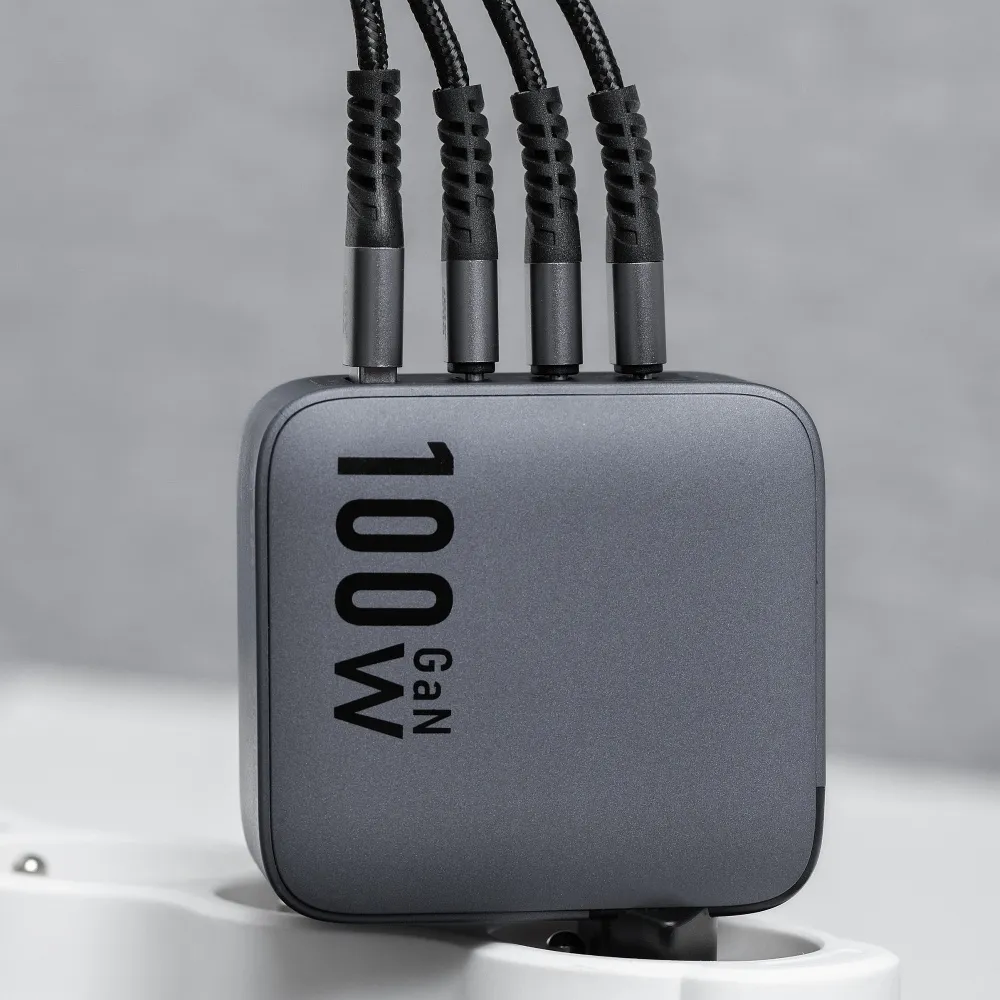
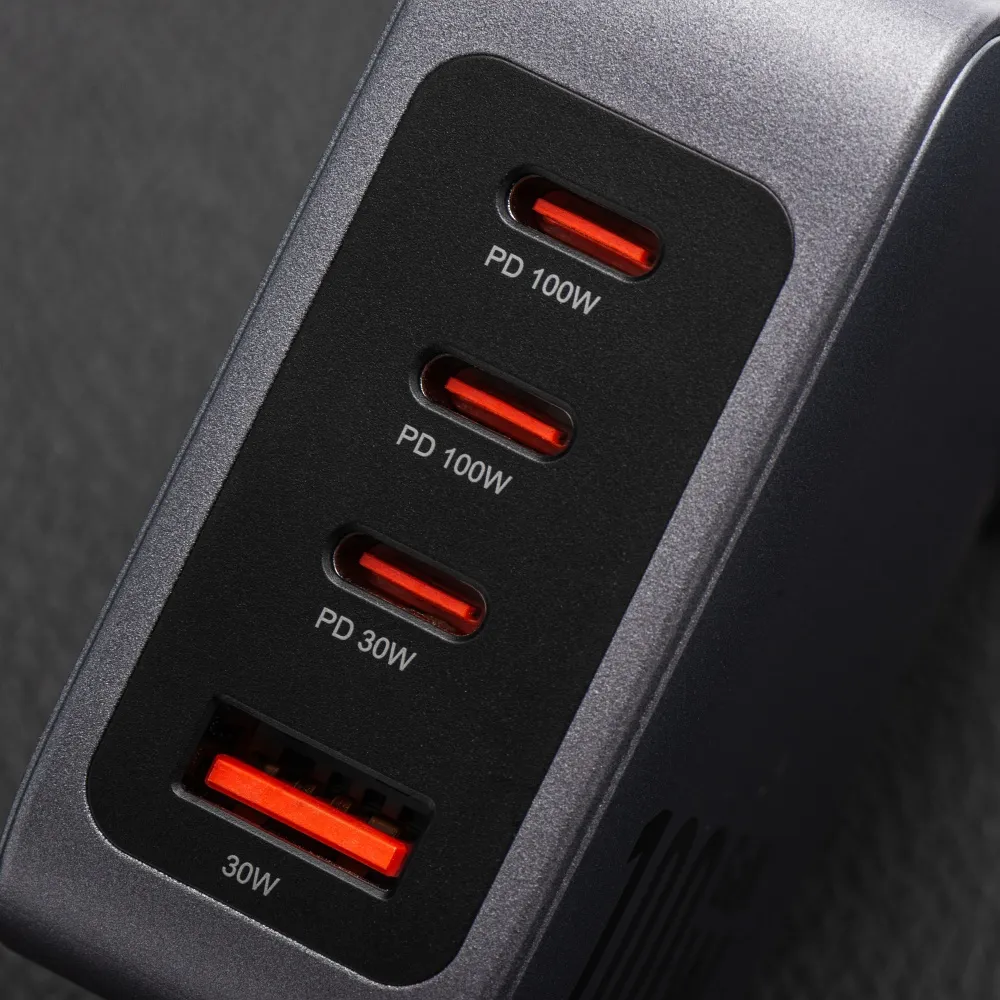
Output power of 240 W is particularly useful in scenarios that require charging several devices at the same time. Multi-port functionality and automatic recognition of connected devices allow optimal charging parameters without the risk of overload.

Intelligent charging automatically identifies the type of device and adjusts voltage and current accordingly. This allows chargers for smartphones, power banks, or wireless TWS headphones to operate simultaneously with laptop charging.

Nowoczesna ładowarka z technologią GaN
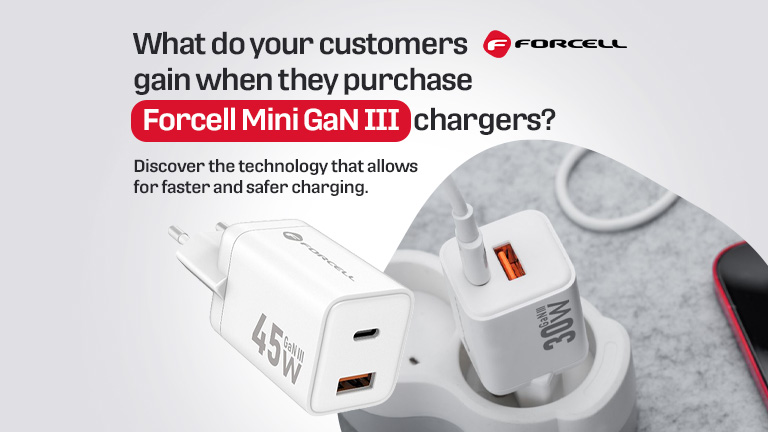
Forcell F-Energy GaN QC4.0 PD 4A 65W VT-42B charger
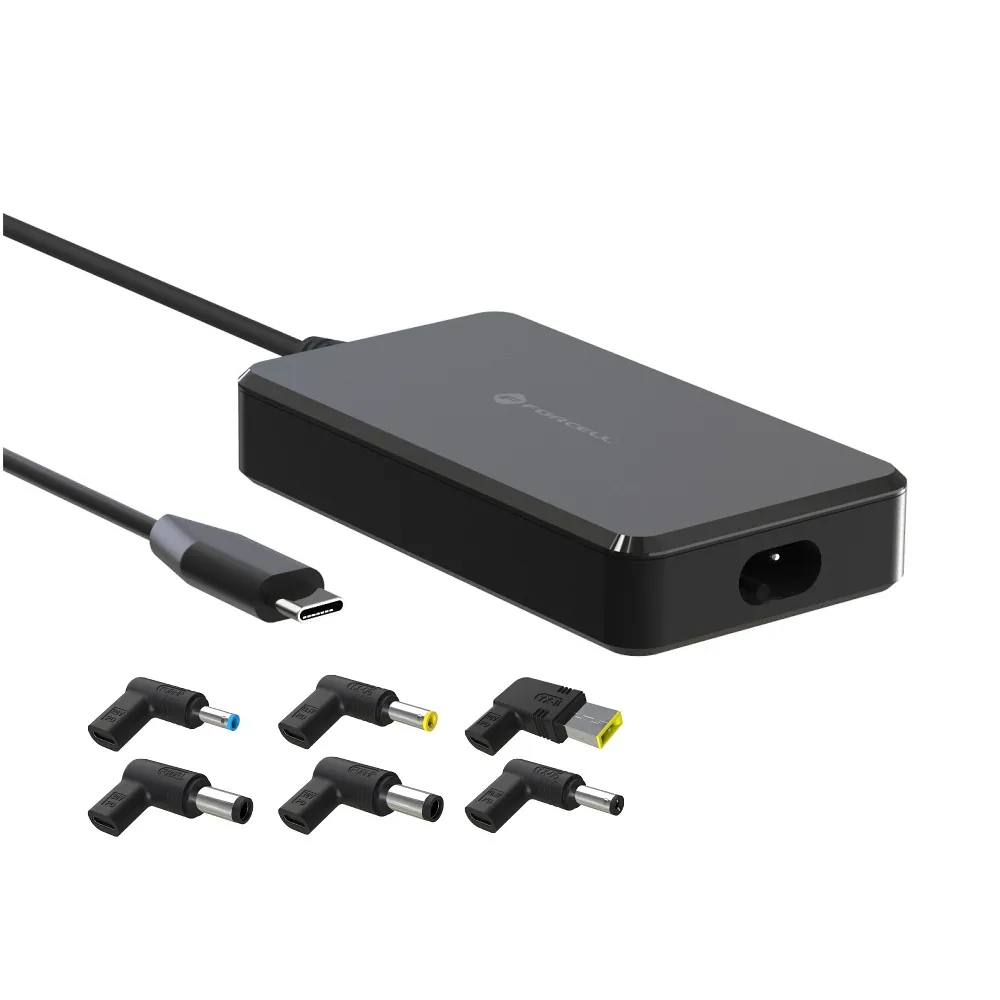
Forcell F-Energy USB-C 90W E856 universal laptop charger
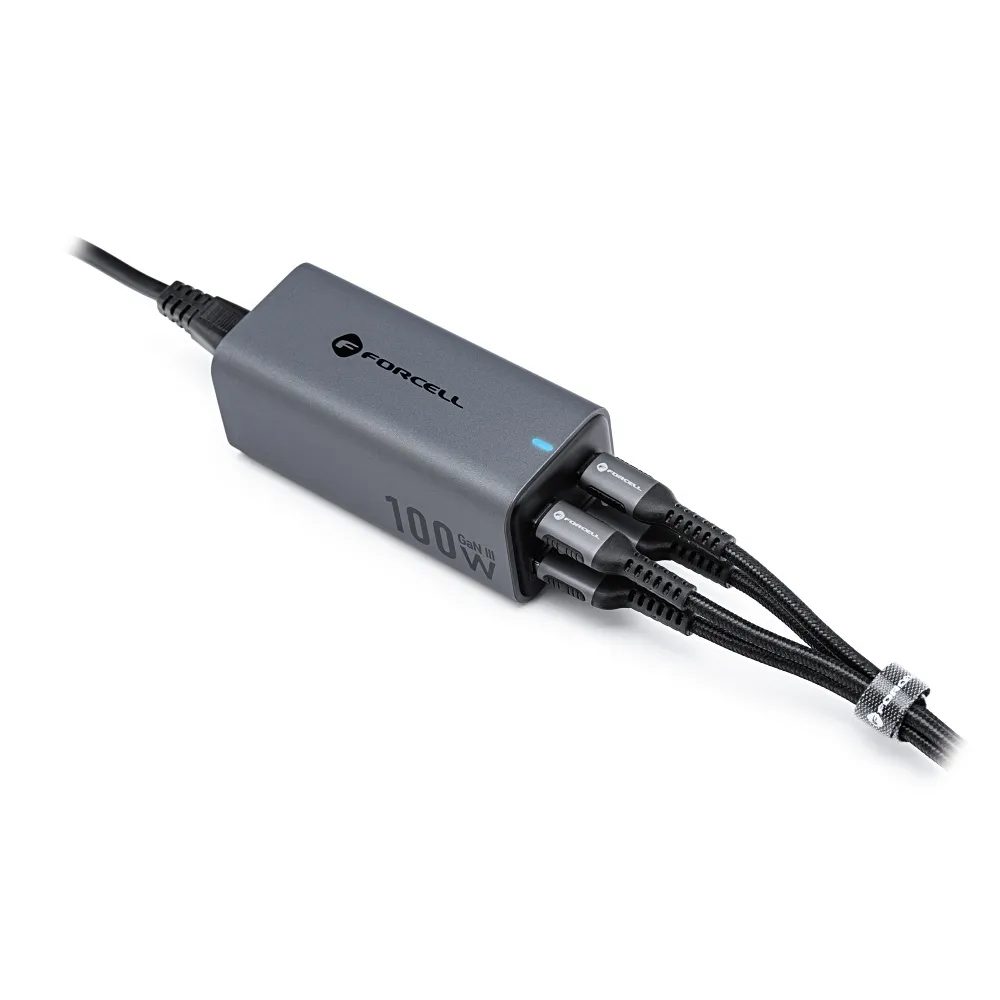
Forcell F-Energy GaN III QC4.0 PD 5A 100W VT-49 charger

Charging Safety and Protection Systems in 2026

As charging power increases, the importance of charging safety also grows. Modern chargers for electronic devices are equipped with advanced protection systems and dedicated circuits designed to protect the electronics.

Charger protection features include overheating protection, heat dissipation, and overload protection, while short-circuit protection and surge protection have become standard today.

Protection systems continuously monitor charging parameters, including voltage and current distribution, operating temperature, and battery level, helping to extend battery lifespan.

A good example of a safe power adapter equipped with CE and RoHS certifications as well as multiple protection systems is the universal Forcell E856 model – see how it works in practice ↓

Thanks to compatibility with charging protocols, including PD 3.1, chargers for electronic devices can dynamically adjust voltage and current, ensuring stable charging even for devices that require high power.

The question, therefore, is not whether 240 W will become the standard, but in which market segments fast charging of this class will prove most beneficial.

The 240 W Charger Market in Practice

In the smartphone segment, 240 W charging remains a niche – currently supported only by selected models such as the Realme GT3 or Realme GT Neo 5, which often rely on proprietary charging protocols. At the same time, more and more manufacturers are focusing on balancing charging speed with battery longevity, which is why the 65–100 W range remains the standard for many new flagship devices.

For users and retailers, this means one thing: although 240 W is not yet a market norm, the segment of very high-power chargers will continue to grow along with the increasing demand for universal power solutions capable of charging multiple devices.

A wide range of charging accessories is available at the Partner Tele.com wholesale store – from high-power network chargers to dedicated USB-C cables supporting fast charging standards.

The offer includes both our in-house brands – Forcell, delivering premium solutions, and Blue Star, designed for everyday use – as well as products from popular manufacturers such as Xiaomi, OPPO, and Huawei. This allows retailers to easily select chargers and cables tailored to different market segments and user needs.

Patrycja Blechinger_Partner Tele.com
Articles: 340

Leave a Reply

Your email address will not be published. Required fields are marked *